
Energy-Smart Cooking
Energy-smart cooking
Use the appliance that fits the task, the batch and the kitchen.
Energy-smart cooking starts with practical choices rather than fixed savings claims. Match the appliance to the amount of food you are preparing, use the cooking mode designed for the task and follow the operating guidance for the specific appliance in front of you.

Think in routines, not slogans
A smaller appliance can make sense for a smaller cooking job.
There is no single appliance that is automatically the most efficient choice for every meal. A compact air fryer may suit a small portion, an induction cooker may suit direct pan cooking and an electric cooker may suit a one-pot routine. The practical approach is to choose the appliance that matches the actual task and use it according to its instructions.
Match the batch.
Use a cooking cavity, basket, pot or pan size that makes sense for the amount of food you are preparing rather than defaulting to the largest appliance available.
Portion before applianceUse the intended mode.
Choose the appliance setting or cooking mode that is designed for the job, and follow the time, temperature and placement guidance provided for the specific model.
Use product guidancePlan repeated tasks.
When practical, organize preparation so ingredients are ready before cooking begins and similar cooking steps can be completed in a logical sequence.
Reduce unnecessary restartsKeep equipment ready.
Clean baskets, pans, lids, filters and cooking surfaces help keep the appliance ready for normal use and make the next cooking session easier to start.
Care supports routine
Induction and direct pan cooking
Keep the pan size and the cooking job aligned.
Induction cooking works around direct interaction between the cooktop and compatible cookware. For an energy-smart routine, choose cookware that suits the amount of food being prepared and use the heat setting recommended for the cooking method.
- Use cookware that is appropriate for the induction surface and the portion being prepared.
- Prepare ingredients before switching from preparation to active cooking.
- Use lids when they are appropriate for the recipe and appliance guidance.
- Avoid running a large cooking setup for a very small task when a more suitable appliance is available.
Compact cooking and preparation
Use countertop appliances where their scale makes practical sense.
A blender, compact cooker or small countertop cooking appliance can be a practical choice when the preparation volume is modest. The goal is not to assume that smaller always means lower energy use, but to avoid using more appliance capacity than the task requires.
- Choose capacity around typical portions rather than occasional maximum volume.
- Use the full operating cycle only when it matches the recipe and appliance instructions.
- Keep the countertop layout organized so the appliance is easy to use without repeated setup.
- Let one appliance cover multiple routine tasks only when those functions are genuinely useful to you.

A practical energy-smart guide
Choose by cooking scale, not by habit alone.
The better appliance choice depends on the food, portion, cooking method and available equipment. These examples are general planning principles rather than fixed energy claims.
Use a compact cooking chamber when it suits the food.
An air fryer or small countertop cooking appliance may be a practical match for a modest batch that does not need a larger oven-style cavity.
Match the chamber to the portionUse direct cooking when the meal belongs in one pan.
An induction cooker can support a focused pan-cooking routine when compatible cookware and the recipe make that method appropriate.
Keep the process directUse an electric cooker for the meals it is designed to handle.
A multi-function cooker can make sense when the recipe belongs in a single vessel and the available modes match the way you actually cook.
Use useful functions, not unused extras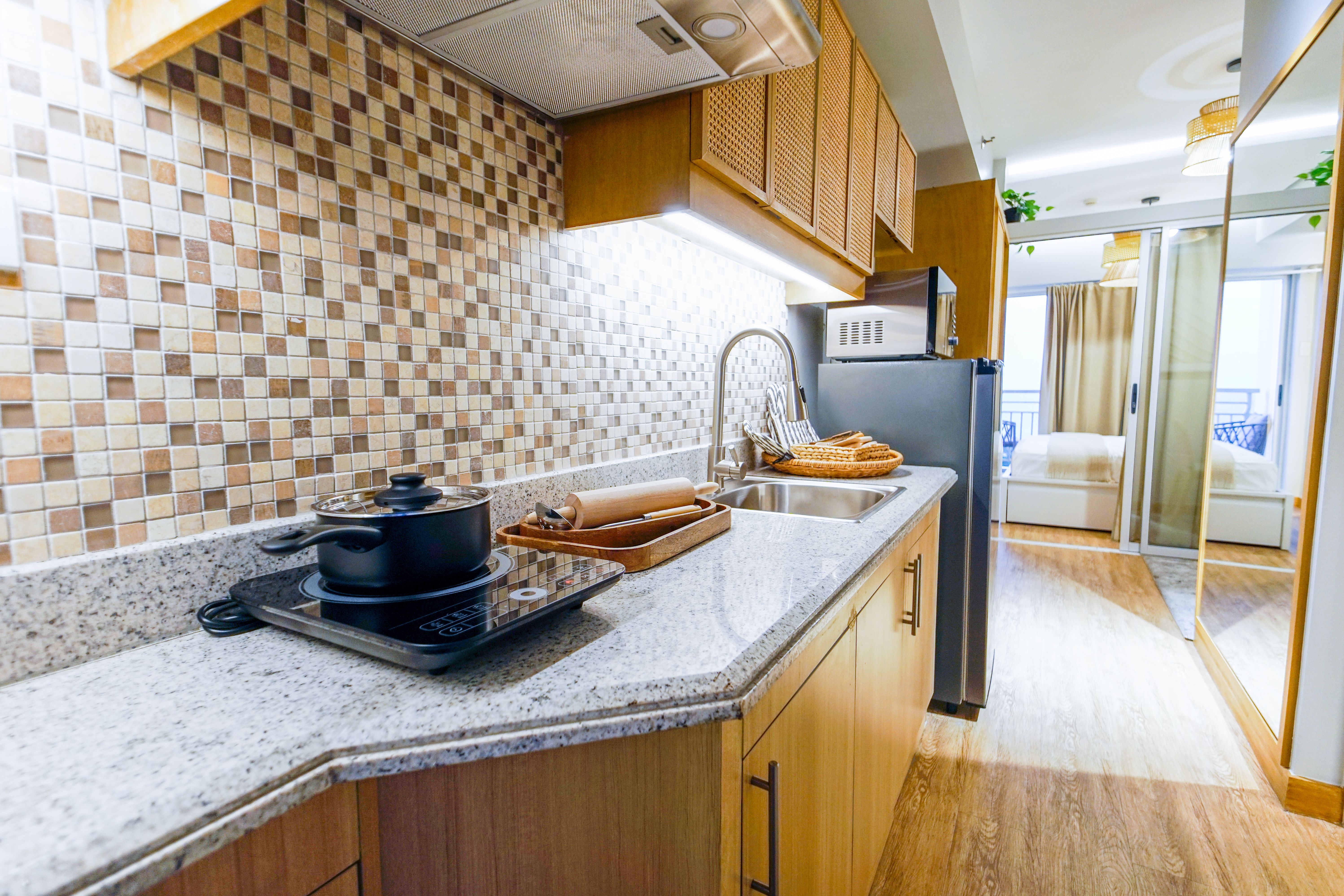
The kitchen layout matters too
An appliance is easier to use well when the workflow is already clear.
Keep ingredients, cookware and serving tools ready before active cooking begins. A simple setup reduces repeated movement and makes it easier to use the selected appliance for the task it was chosen to handle.
Prepare before heating.
Measure ingredients, choose cookware and clear the work area before the active cooking step begins whenever the recipe allows it.
Use the right amount of capacity.
Choose an appliance size that fits your normal batch instead of keeping excess cooking volume as the default for every meal.
KitchNexa keeps the stated shipping timeframe clear and consistent.
Use email for store questions that benefit from written order details.
Call KitchNexa when you need direct store support.
Store information is presented consistently across KitchNexa support content.
Energy-smart cooking questions
Practical answers without exaggerated efficiency claims.
Actual energy use depends on the appliance, setting, cooking time, portion size and recipe. Use these general principles together with the instructions for the specific product.
Is an air fryer always more energy-efficient than an oven?
No single answer applies to every appliance and every meal. A compact cooking chamber can make practical sense for smaller portions, but actual energy use depends on the specific appliances, settings and cooking time involved.
Does induction cooking automatically use less energy?
Energy use depends on the specific cooktop, cookware, heat setting and cooking task. Use compatible cookware and choose settings that fit the recipe and product guidance.
Should I always choose the smallest appliance?
No. The better choice is the appliance that can handle the food safely and effectively at the required capacity. Too little capacity can create extra batches and an impractical workflow.
Can a multi-function cooker reduce the number of appliances I use?
It can be practical when its functions match meals you already prepare. The value comes from useful functions that fit your routine, not from having the longest feature list.
How can I make my cooking routine more deliberate?
Prepare ingredients before active cooking, choose the appliance before heating begins, use appropriate cookware and keep the work area organized so the process moves in a logical sequence.
Where can I ask KitchNexa about appliance categories?
Use the KitchNexa contact page for store support, or browse categories to compare cooking, food-preparation and beverage appliance types.
Choose for the task in front of you
Build an appliance mix around the meals you actually make.
Browse KitchNexa categories to compare air fryers, induction cookers, electric cookers, countertop ovens and food-preparation appliances by the role they can play in your everyday kitchen.